Best Superfoods to Eat
Every Day for Optimal Health
Meaningful Diet Editorial
February 17, 2026 · 9 min read
The term "superfood" is overused in marketing, but the underlying concept is scientifically valid: some foods deliver dramatically more vitamins, minerals, antioxidants, and beneficial compounds per calorie than others. Here are the ones that the research consistently supports, and how to actually incorporate them into your daily routine.
1. Wild-Caught Salmon
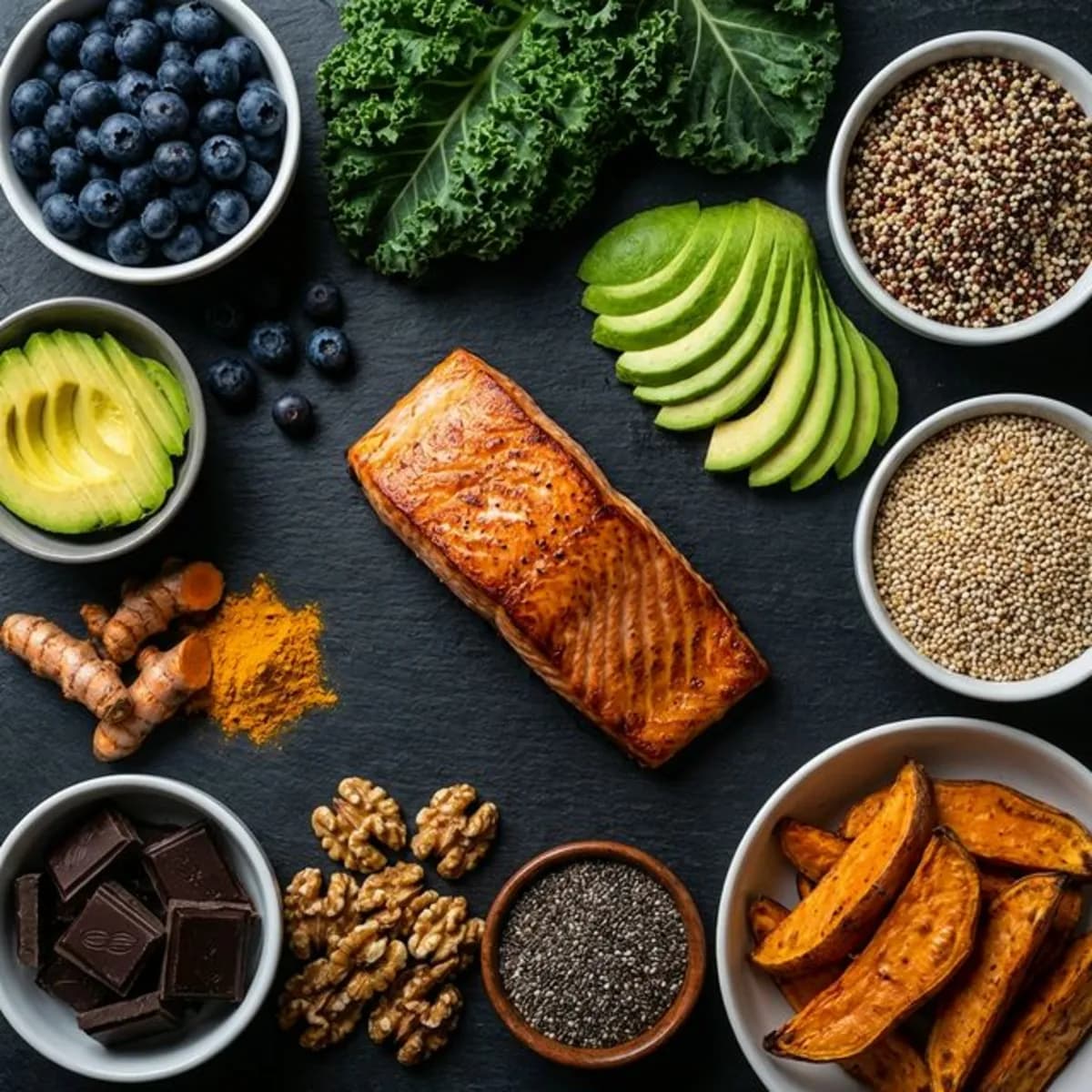
Salmon is one of the few foods that delivers therapeutic doses of omega-3 fatty acids (EPA and DHA), the same compounds used in pharmaceutical-grade fish oil supplements. A single 4 oz serving provides approximately 2,000mg of omega-3s, plus high-quality complete protein, vitamin D (one of the most common deficiencies worldwide), selenium, and B12. Wild-caught varieties have a superior omega-3 to omega-6 ratio compared to farmed. Aim for 2-3 servings per week.
2. Blueberries
Blueberries contain one of the highest concentrations of anthocyanins, powerful antioxidants that give them their deep blue color. Research published in the Annals of Neurology found that regular blueberry consumption slows cognitive decline by up to 2.5 years. They're also remarkably low on the glycemic index (GI ~53) despite being sweet, making them one of the best fruit choices for stable blood sugar.
3. Extra Virgin Olive Oil
EVOO is the cornerstone of the Mediterranean diet and one of the most extensively studied foods in nutritional science. Beyond its stable monounsaturated fat profile (making it far superior to industrial seed oils), it contains oleocanthal, a natural phenolic compound with anti-inflammatory properties comparable to ibuprofen. Use it generously on salads, vegetables, and for low-to-medium heat cooking.
4. Dark Leafy Greens (Kale, Spinach, Swiss Chard)
Leafy greens are arguably the single most nutrient-dense food category on the planet. Just one cup of raw kale provides 684% of your daily vitamin K, 206% of vitamin A, and significant amounts of vitamin C, manganese, and copper, all for 33 calories. Spinach is one of the richest plant sources of iron and folate. Rotate between varieties to maximize the diversity of phytonutrient compounds you absorb.
5. Avocado
Avocados are unique among fruits because they're primarily composed of heart-healthy monounsaturated fats rather than carbohydrates. They contain more potassium per serving than bananas (about 485mg per half avocado), along with fiber, folate, vitamin K, and lutein for eye health. The fat content also helps your body absorb fat-soluble vitamins from other foods eaten in the same meal, making them the perfect salad addition.
6. Sweet Potatoes
Sweet potatoes are one of nature's most complete carbohydrate sources. A medium sweet potato delivers 438% of your daily vitamin A (as beta-carotene), 37% of vitamin C, plus manganese, potassium, and 4 grams of fiber, all for about 100 calories. They have a lower glycemic index than white potatoes when baked, and their complex carbohydrates provide sustained energy without dramatic blood sugar spikes.
7. Walnuts
While all nuts are nutritious, walnuts stand apart because they're the only tree nut with significant amounts of alpha-linolenic acid (ALA), a plant-based omega-3 fatty acid. A single handful (about 1 oz) delivers 2.5g of ALA, plus polyphenols, melatonin, and vitamin E. Studies published in the New England Journal of Medicine link daily nut consumption to a 20% reduction in all-cause mortality.
8. Eggs (Pasture-Raised)
The humble egg contains complete protein with all 9 essential amino acids, plus choline (critical for brain function and rarely found in other foods), lutein, zeaxanthin, vitamin D, and B12. Pasture-raised eggs from hens with access to natural forage have been shown to contain up to 6x more vitamin D and 2x more omega-3s than conventional eggs. Don't skip the yolk, that's where the majority of the nutrition resides.
9. Turmeric (with Black Pepper)
Curcumin, the active compound in turmeric, is one of the most studied anti-inflammatory molecules in nutritional research, with over 12,000 peer-reviewed papers published. The catch: curcumin is poorly absorbed on its own. Pairing turmeric with black pepper (which contains piperine) increases bioavailability by up to 2,000%. Add both to scrambled eggs, soups, rice dishes, and golden milk lattes.
10. Fermented Foods (Yogurt, Kimchi, Sauerkraut)
Your gut microbiome influences everything from digestion to mood to immune function, and fermented foods are the most effective way to support it naturally. Full-fat yogurt with live cultures, traditionally fermented kimchi, raw sauerkraut, and kefir all provide billions of beneficial bacteria per serving. A Stanford study found that a diet high in fermented foods increased microbiome diversity and reduced inflammatory markers in just 10 weeks.
Over 10,000 swaps and counting
Upgrade every ingredient in your kitchen, free and instant.
Our AI-powered Swap Tool finds the most nutrient-dense alternative for any ingredient. Type anything from "canola oil" to "white bread" and get a science-backed upgrade in seconds.
Use the Swap Tool →